Key Takeaways
Thai ingredients and Thai spices form the foundation of Thai cuisine’s success on the international stage. Their distinctive appeal comes from generations of culinary knowledge and the careful balance of fresh herbs with dried spices, creating a refined experience through appearance, flavor, aroma, and texture.
The selection of high-quality ingredients at their source is equally important. Local herbs, naturally fermented seasonings, freshly pressed coconut milk, and long-grain Thai jasmine rice all work together to unite the four essential flavors of Thai cuisine: spicy, sour, salty, and sweet. Understanding the depth and character of these ingredients can elevate a meal beyond simple dining, transforming it into a memorable expression of culinary art.
If food is the language of culture, Thai cuisine is poetry composed through the pure aromas of herbs and the intricate flavors that continue to captivate diners around the world. From the steam rising from a bowl of tom yum, carrying the irresistible fragrance of lemongrass and makrut lime leaves, to the smooth richness of coconut milk in traditional Thai curries, every dish reflects the wisdom and abundance of Thailand, a land that has nourished its people for centuries.
The flavors that have made Thai cuisine beloved worldwide do not come from cooking techniques alone. They begin with the careful selection of fresh Thai ingredients such as galangal, lemongrass, makrut lime leaves, chilies, and cilantro roots. These ingredients may appear simple when displayed at a local market, but once they are pounded together in a mortar, they become the foundation of deeply satisfying flavors unlike those found in any other cuisine.
What Are Thai Ingredients and Why Are They the Foundation of Exceptional Flavor?
When exploring which Thai ingredients are commonly used in Thai cooking, culinary experts often organize them into groups that work together systematically. Each group contributes to the four central dimensions of Thai flavor: spicy, sour, salty, and sweet. When carefully balanced, these elements come together as a harmonious whole.
Fresh Herbs and Thai Spices
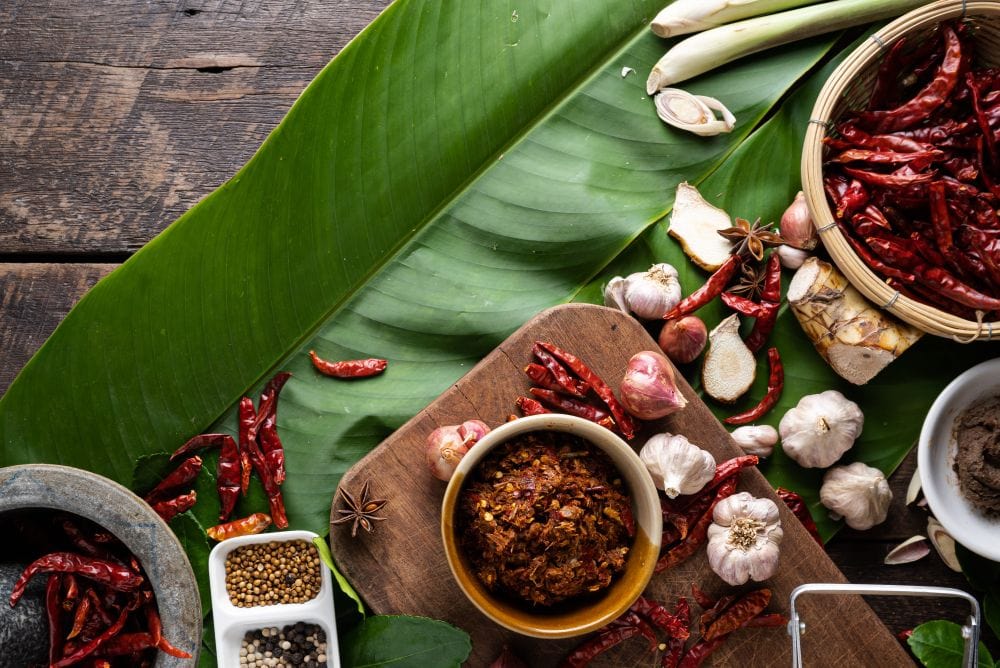
Fresh herbs and Thai spices create the first layer of aroma that defines a dish. Galangal, lemongrass, makrut lime leaves, bird’s eye chilies, Thai garlic, and Sisaket shallots are rich in essential oils that release their fragrances when exposed to heat. These Thai ingredients give soups, curries, stir fries, and dipping sauces their unmistakable character.
Traditional Seasonings Created Through Local Wisdom
Naturally fermented and carefully prepared seasonings provide the rounded flavors associated with Thai cuisine. Examples include authentic fish sauce fermented from anchovies, freshly squeezed Key lime juice with a vivid and refreshing acidity, and palm sugar or pure coconut sugar with a gentle, rich sweetness.
These seasonings help unite Thai ingredients and Thai spices, allowing powerful flavors to remain balanced rather than overwhelming one another.
Locally Sourced Meat and Seafood
Thailand’s waterways, fields, and coastal regions provide an extraordinary variety of proteins. These range from firm-textured free-range chicken and naturally raised pork to Thai Wagyu beef, freshwater river prawns, and fresh seafood with naturally sweet, succulent flesh.
The freshness of these Thai ingredients is essential because proteins often absorb the aromas of herbs, curry pastes, and Thai spices during cooking.
Local Vegetables and Fruits
Thai cuisine also features a wide range of fresh produce, including crisp Thai eggplants, green papaya for freshly pounded som tam, chilled cucumbers, Nam Dok Mai mangoes, and Phulae pineapples used to balance rich or savory dishes.
The category sometimes described as Thai ingredients vegetables includes native produce selected not only for flavor but also for texture, aroma, and its ability to complement spicy dishes. Thai eggplants add crunch to curries; green papaya absorbs the dressing in som tam, while fresh fruit introduces acidity or sweetness without overpowering the main ingredients.
Thai Spices: An Identity Defined by Aroma and Heat
If fresh herbs create the atmospheric background of Thai cuisine, Thai spices are the characters that bring excitement, depth, and intensity to each dish. A closer look at the varieties of Thai spices reveals both native plants and ingredients introduced through historic spice trading routes. Over time, these plants were cultivated and adapted to Thailand’s environment, eventually developing distinctive local characteristics.
Bird’s Eye Chilies and Black Pepper
Small bird’s-eye chilies provide a sharp, immediate heat that awakens the palate. Black pepper and fresh green peppercorns create a deeper warmth that gradually develops in the throat. Their pungent aroma is also highly effective at reducing strong odors from meat and seafood.
These Thai spices are used differently depending on the intended flavor. Fresh chilies deliver brightness and urgency, while peppercorns add warmth, fragrance, and a lingering spicy sensation.
Thai Garlic and Shallots
Small Thai garlic cloves have thin skins and contain concentrated aromatic oils, giving them a stronger fragrance than many larger varieties of garlic. Thai shallots provide natural sweetness and a delicate aroma, particularly when grilled, roasted, or fried until crisp.
Both are fundamental Thai ingredients in curry pastes, marinades, stir fries, soups, and dipping sauces. When pounded with other Thai spices, they create a fragrant base that supports every layer of the dish.
Cilantro Roots and Coriander Seeds
Cilantro root is one of the ingredients in the traditional Thai aromatic trio known as “sam kloe,” which consists of cilantro roots, garlic, and pepper. This combination forms the flavor foundation of many Thai dishes and provides a warm, recognizable fragrance.
Roasted coriander seeds offer a rich aroma with subtle pine-like qualities. Their fragrance becomes especially pronounced when the seeds are gently toasted before being ground into curry paste. These Thai spices add complexity and leave a memorable impression with every bite.
Cumin
Cumin provides an intense warmth and deep fragrance. The seeds are commonly toasted over low heat until aromatic before being added to massaman curry paste.
Thai tree basil leaves, sometimes called bai yira, offer a distinctive tingling heat at the end of each bite. They enhance spicy stir fries and jungle curries with a bold, assertive character balanced by a captivating herbal fragrance.
Turmeric
Turmeric is the golden jewel of Thai spices and an essential part of Southern Thai culinary culture. It gives dishes a brilliant golden yellow appearance while contributing a gentle, earthy aroma.
Turmeric also helps neutralize strong odors from meat and seafood. It brings depth and cohesion to Southern dishes such as yellow curry, fish kidney curry, and khua kling. Among the many Thai ingredients used in Southern cuisine, turmeric is one of the most visually and aromatically distinctive.
Special Thai Ingredients That Unite the Textures and Flavors of Thai Cuisine
Beyond fresh herbs and Thai spices, Thai cuisine includes traditional ingredients that act as sophisticated connecting elements. They soften sharp flavors, carry aromas across the palate, and give each dish a more refined texture.
Fresh Natural Coconut Milk
Coconut milk is like a layer of velvet that supports and carries flavor. Rich coconut cream, carefully pressed from fresh coconut flesh, embraces the heat of curry paste and softens its intensity. It allows bold flavors to become smoother while leaving a lasting richness on the palate.
Coconut milk is one of the most versatile Thai ingredients. It appears in curries, soups, sauces, desserts, and traditional snacks. Its natural sweetness and fat content also help release the aromatic compounds found in many Thai spices.
Thai Jasmine Rice and Sticky Rice
Freshly cooked Thai jasmine rice releases a gentle aroma reminiscent of young pandan leaves. Its long grains remain soft without becoming overly wet, making it the ideal foundation for curries, chili relishes, and stir-fried dishes.
Rather than competing with the main flavors, jasmine rice allows Thai ingredients and Thai spices to stand out more clearly. Sticky rice serves a similar purpose in Northern and Northeastern Thailand, where its pleasantly chewy texture pairs naturally with grilled meats, spicy salads, and chili dips.
How Do Thai Ingredients Differ Across Northern, Northeastern, Central, and Southern Thailand?
Thailand’s diverse geography and climate range from the complex mountain ranges of the north to the fertile coastlines of the south. These conditions shape how Thai ingredients are selected and used in each region, creating culinary traditions that tell the stories of their landscapes.
Regional cooking also highlights different Thai ingredients, vegetables, herbs, proteins, and preservation methods. Each area has developed its own balance of heat, saltiness, acidity, sweetness, aroma, and texture.
Northern Thailand: Mountain Charm and Distinctive Local Spices
Northern Thai cuisine is influenced by a cooler mountain climate. Its signature Thai ingredients include local vegetables and warming spices such as makhwaen, a mountain spice known for its tingling heat and distinctive fragrance.
Makhwaen is often combined with dried chilies and pork. Northern flavors tend to emphasize savory saltiness and gentle heat, with very little sweetness. This regional identity can be experienced in dishes such as hang lay curry, which is slowly simmered until the meat becomes tender, and khanom jeen nam ngiao, a rice noodle dish perfumed with dried cotton tree flowers.
Northern Thai spices often create warmth without producing the sharp heat associated with Southern Thai cooking. Local vegetables, forest herbs, fermented foods, and preserved meats also reflect the region’s mountain environment and traditional way of life.
Northeastern Thailand: Bold Flavors and the Wisdom of Food Preservation
The appeal of Northeastern Thai cuisine lies in its simplicity, power, and unmistakable personality. Local preservation knowledge gave rise to fermented fish sauce known as pla ra, an ingredient often described as the soul of Isan cuisine.
When combined with freshly toasted rice powder, ground chilies, wild herbs, lime juice, or tamarind, pla ra produces flavors that are spicy, deeply salty, aromatic, and refreshingly sour. Each bite is vivid and stimulating.
Well-known dishes include som tam, larb, and beef om curry. In this region, Thai ingredients vegetables such as green papaya, long beans, eggplants, cabbage, and local leafy greens are served fresh or incorporated into intensely seasoned dishes.
Toasted rice powder is another essential ingredient. It provides a roasted aroma and a slightly grainy texture that helps sauces cling to meat and herbs. Together, these Thai ingredients and Thai spices create the bold flavor structure that defines Isan cuisine.
Central Thailand: Abundance and the Art of Harmonious Flavor
Central Thailand is characterized by fertile river plains and an abundant variety of agricultural products. Fresh coconut cream and the gentle sweetness of coconut sugar are among the region’s most important Thai ingredients.
Central Thai cooking is often built on the fragrance of sam kloe, the aromatic combination of cilantro roots, garlic, and pepper. Its flavor profile commonly balances sour, sweet, and salty elements with exceptional smoothness and precision.
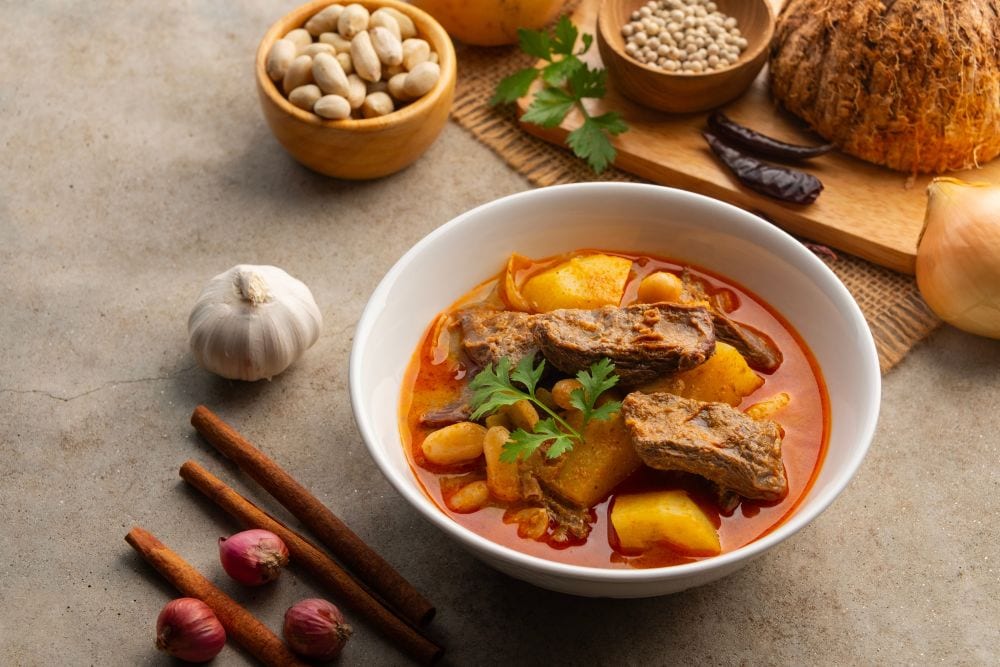
Representative dishes include silky green curry, rich and spicy creamy tom yum goong, and internationally celebrated Massaman curry. These recipes demonstrate how coconut milk, fresh herbs, Thai spices, proteins, and vegetables can be layered without allowing any single element to dominate.
Central Thai cuisine also makes extensive use of Thai ingredients and vegetables, including Thai eggplants, pea eggplants, banana blossoms, water spinach, morning glory, and fresh herbs served alongside chili relishes.
Southern Thailand: Coastal Heat and Intensely Aromatic Herbs
Southern Thailand is surrounded by two coastlines and has access to exceptionally fresh seafood. Its cuisine relies on intensely aromatic Thai ingredients and Thai spices that help balance the natural richness and strong aromas of fish and shellfish.
Turmeric, stink beans, and bird’s-eye chilies are especially prominent. Southern dishes often feature vivid colors, powerful heat, deep saltiness, and a pronounced herbal fragrance.
Legendary dishes include fiery Southern yellow curry, concentrated fish kidney curry, and khua kling, a dry meat curry so intensely spicy that it may bring perspiration to the forehead while remaining almost impossible to stop eating.
The region’s Thai ingredients and vegetables include stink beans, young cashew leaves, bamboo shoots, local greens, and fresh herbs. These ingredients provide bitterness, crunch, freshness, and contrast to powerful curry pastes.
From Local Thai Ingredients to the Art of Fine Dining at R-HAAN
The beauty of Thai cuisine lies not only in balanced flavor but also in the careful selection of Thai ingredients and the precise use of Thai spices. Every herbal aroma, every texture within a curry paste, and every layer of flavor reflects knowledge accumulated over generations.
Together, these elements form a culinary identity that no other cuisine can fully replicate. The relationship between Thai ingredients, Thai spices, local agriculture, and traditional preparation techniques allows Thai food to express the character of its place of origin.
When these Thai ingredients are elevated through advanced culinary techniques, Thai food becomes more than an ordinary meal. It becomes an experience that communicates culture, craftsmanship, and beauty through every carefully considered element at R-HAAN, an authentic Thai restaurant awarded two Michelin stars.
Under the leadership of Chef Chumpol Jangprai, R-HAAN has brought a new international perspective to Thai cuisine by presenting a fine dining menu in Bangkok. Each seasonal menu is created using carefully selected premium ingredients, including products with geographical indication status and locally sourced ingredients from communities throughout Thailand.
R-HAAN uses 100 percent Thai-sourced ingredients and combines them with advanced culinary techniques to reveal their highest potential. Every course is presented on exquisite Benjarong porcelain, transforming the dining experience into an exploration of art through flavor.
Reserve your table in advance and experience the poetry of Thai cuisine for yourself at R-HAAN, Thonglor Soi 9.
References:
- วัตถุดิบในท้องถิ่นของไทย : ภูมิปัญญาแห่งรสชาติ. Retrieved on 3 July 2026 from https://food.dusit.ac.th/home/?p=12879.
- อาหารไทย: วิถีชีวิต รสชาติ และความเป็นไทย. Retrieved on 3 July 2026 from https://museum.socanth.tu.ac.th/general/ahan-thai/.
Frequently Asked Questions About Thai Ingredients and Thai Spices (FAQs)
Q: What is the difference between fresh herbs and dried Thai spices in Thai cuisine?
A: Fresh herbs such as galangal, lemongrass, and makrut lime leaves provide bright, lively aromas and form the principal aromatic structure of curries and tom yum. Dried Thai spices such as coriander seeds, cumin, and cinnamon are usually toasted to release their essential oils. This process produces deeper, warmer, and more complex aromas in dishes such as Massaman curry and Panang curry.
Q: Where to buy Thai ingredients for authentic Thai cooking?
A: Authentic Thai ingredients can be purchased at Asian grocery stores, Thai specialty markets, international supermarkets, and reputable online retailers. Fresh Thai ingredients vegetables such as Thai eggplants, galangal, lemongrass, bird’s eye chilies, and makrut lime leaves are often available in the refrigerated produce section. Dried Thai spices, curry pastes, fish sauce, coconut milk, and palm sugar are generally easier to find year round. For the best flavor, choose fresh produce with a strong natural aroma and check packaged products for clear ingredient lists and country of origin.
Q: What are the health benefits and nutritional properties of Thai ingredients?
A: Thai ingredients health benefits and nutritional properties vary depending on the herb, spice, vegetable, or fruit used. Lemongrass, galangal, turmeric, chilies, garlic, and fresh herbs contain naturally occurring plant compounds, while Thai ingredients vegetables provide fiber, vitamins, minerals, and antioxidants. Coconut milk supplies fat and richness, while fresh vegetables and herbs add nutritional variety. However, the overall nutritional value of a Thai dish also depends on portion size, preparation method, and the amount of sodium, sugar, and coconut milk used.