Key Takeaways
“Khanom krok” is a Thai dessert that draws its charm from the simplicity of its ingredients, yet it demands meticulous attention at every step. From selecting premium coconut milk and getting the batter to the perfect consistency to precisely controlling the pan’s heat, the process is an art. The heart of a delicious khanom krok recipe lies in achieving a thin, crispy outer edge while keeping the inside soft and luscious. The coconut topping should offer a well-rounded sweet and salty profile with a rich, creamy aroma. Lightly greasing the pan and serving the pancakes immediately after taking them off the stove will help preserve the best texture, so this classic khanom krok recipe fully retains the elegance and charm of traditional Thai coconut pancakes.
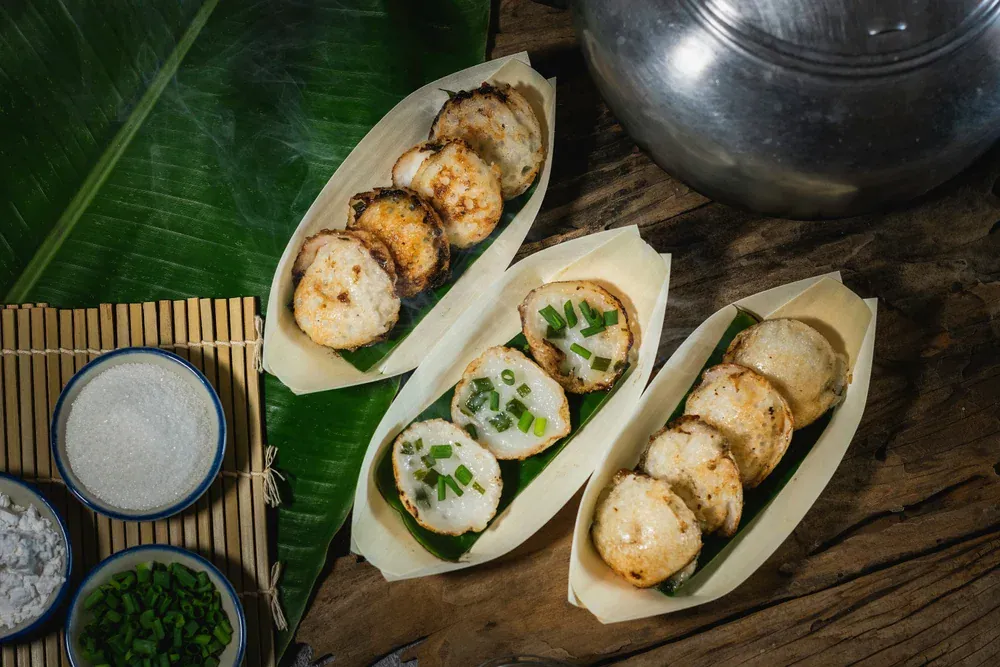
Some Thai desserts captivate with their intricate shapes, while others enchant with their vibrant colors. Khanom krok, by contrast, draws its charm from simplicity, with fascinating details hidden in every bite. Small spoonfuls of batter cook slowly in a hot pan, forming a thin, golden, crisp edge that contrasts beautifully with a soft center. A smooth white coconut cream topping, balanced between sweet and salty, crowns each one and releases a fragrant coconut aroma that rises with the steam.
Why is khanom krok cooked in a cast-iron dimpled pan? The traditional cast-iron pan distributes heat evenly across its half-moon indentations. This is the secret to the dessert’s signature crispy crust and its warm, gooey coconut milk center.
Making a single pair of khanom krok is an art form that requires precise proportions, heat control, and perfect timing. It starts with selecting high-quality coconut milk and blending the batter to the right thickness, and it ends with adding the coconut cream topping at exactly the right moment so both layers fuse seamlessly.
If you love Thai desserts and want to experience authentic, traditional flavors, this article will guide you through the ultimate khanom krok recipe. From preparing the ingredients to the secrets of a crispy outside and soft inside, you will see how the rich coconut topping elevates this familiar street food into a true delight.
What is Khanom Krok and What is it Made of?
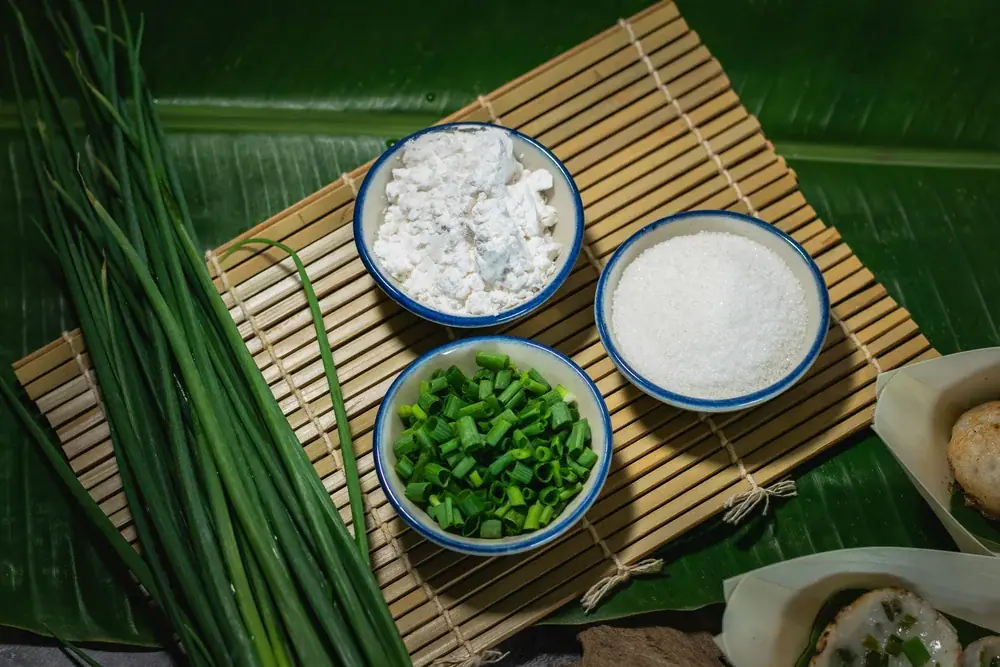
Khanom krok is a beloved traditional Thai street food, both sweet and savory, made primarily from a rice flour batter and a rich coconut cream topping. The core of an authentic khanom krok recipe is using high-quality basic ingredients, especially coconut milk, which gives the dessert its aroma, richness, and silky texture. Preparing all the ingredients for your Thai coconut pancakes before cooking keeps the process smooth and makes it easier to control the flavors.
Ingredients for the Khanom Krok Batter
- Rice flour (200g)
- Cooked jasmine rice (50g)
- Coconut milk (250ml)
- Filtered water (250ml)
- Granulated sugar (40g)
- Salt (1/2 tsp)
- A little vegetable oil for greasing the dimpled pan
Fun Fact: Cooked rice is a key component that adds softness to the dessert. When blended thoroughly with coconut milk and water, it makes a smooth batter that doesn’t harden when heated. Meanwhile, the rice flour provides structure, allowing crispy edges to form.
Ingredients for the Coconut Cream Topping
- Coconut cream (300ml)
- Granulated sugar (30g)
- Salt (1/2 tsp)
- Rice flour (1 tbsp)
Fun Fact: The coconut cream topping is the refined detail that completes the Thai coconut pancakes. Beyond adding richness and aroma, the mild saltiness brings out the sweetness of the batter. A touch of rice flour gives the cream the right consistency, so it doesn’t become too watery and sink into the base.
Toppings for Khanom Krok
- Sliced spring onions
- Sweet corn kernels
- Finely diced taro
- Small diced steamed pumpkin
Fun Fact: Each topping offers a distinct flavor and texture. Spring onions add a refreshing aroma that cuts through the richness of the coconut milk. Corn provides sweetness and a gentle crunch, taro offers a fragrant earthiness, and pumpkin adds vibrant color and natural sweetness.
Step-by-Step Authentic Khanom Krok Recipe
Although making khanom krok seems simple, every step has small details that significantly affect the final texture. If you take your time and control the heat carefully, you can make Thai coconut pancakes that are aromatic, crispy, and delightfully soft.
1. Prepare the Batter
Begin by blending the cooked rice, coconut milk, and a portion of the water in a blender until the mixture is completely smooth and homogeneous. Pour this into a mixing bowl.
Add the rice flour, sugar, and salt, stirring until everything is well combined. Gradually pour in the remaining water. Stir constantly during this step to prevent the flour from clumping. Once the batter is smooth, let it rest for 20 to 30 minutes so the flour can absorb the water before pouring.
2. Prepare the Coconut Cream Topping
Mix the coconut cream, sugar, salt, and rice flour together. Stir until all ingredients are completely dissolved and no flour lumps remain. The topping should be slightly thicker than regular coconut milk so it sits beautifully on top of the base when poured. However, it shouldn’t be too thick, or the dessert will turn dense and lose its delicate softness.
3. Heat the Khanom Krok Pan to the Right Temperature
Place your dimpled pan over medium-low heat. Wait until the pan is evenly hot, then use a brush or cloth to spread a very thin layer of vegetable oil in the indentations. If the pan is not hot enough, the edges will not become crispy, and the batter will stick easily. Conversely, if the pan is too hot, the edges will burn before the center is fully cooked.
4. Pour the Batter into the Indentations
Stir the batter again before pouring, as rice flour tends to settle at the bottom while the batter rests. Pour the batter until it fills about three-quarters of each dimple, leaving space for the coconut topping. Then cover the pan with a lid and let the batter set for about 1 to 2 minutes. Watch the edges. When they turn opaque white and hold their shape, it’s ready for the next step.
5. Add the Topping and Garnishes
Gently drop the coconut cream topping into the center of each dimple, then sprinkle on your choice of garnish: spring onions, corn, taro, or pumpkin. Cover the pan again, letting the heat slowly cook and set the coconut cream. During this stage, maintain medium-low heat so the inside cooks evenly without burning the bottom of the dessert.
6. Wait for Crispy Edges Before Removing
When the edges turn a golden-yellow hue and slightly pull away from the pan, use a spoon or a thin-edged spatula to carefully pry each one out. Press two pieces together while they’re still hot. When you take a bite, you’ll get the thin, crispy edge followed by the tender batter and the rich, creamy coconut filling inside.
Tips for Perfectly Crispy and Soft Thai Coconut Pancakes
Even with the exact same khanom krok recipe, small variations during cooking can lead to very different results. To get the best flavor and texture, pay close attention to these tips.
Use Fresh or High-Quality Coconut Cream
The natural fat from the coconut is the heart of the dessert’s aroma and velvety texture. If the coconut milk is too diluted, the khanom krok will taste flat and lack depth. Rich coconut cream ensures the topping is creamy, fragrant, and luxurious in every bite.
Heat the Pan First, Then Lower the Flame
Before pouring the batter, the pan must be hot enough to instantly set the flour upon contact, which is crucial for creating that thin, crispy edge. After that, maintain medium-low heat so the center cooks gently to a soft finish, without rushing and burning the exterior.
Apply Only a Thin Layer of Oil
Contrary to popular belief, using too much oil doesn’t make the dessert crispier. A whisper-thin coating is enough to prevent sticking. If oil pools in the dimples, the Thai coconut pancakes will become greasy and taste too much like a deep-fried snack, which diminishes the natural, delicate aroma of the coconut milk.
Serve Immediately While Hot
Khanom krok is best right off the stove, when the edges are still crisp, the inside is piping hot and soft, and the coconut topping is smooth and creamy. Serving it immediately lets you fully experience the contrast of textures, from the crispy shell to the rich aroma that unfolds with every bite.
From the Charm of Khanom Krok to the Exquisite Thai Cuisine at R-HAAN
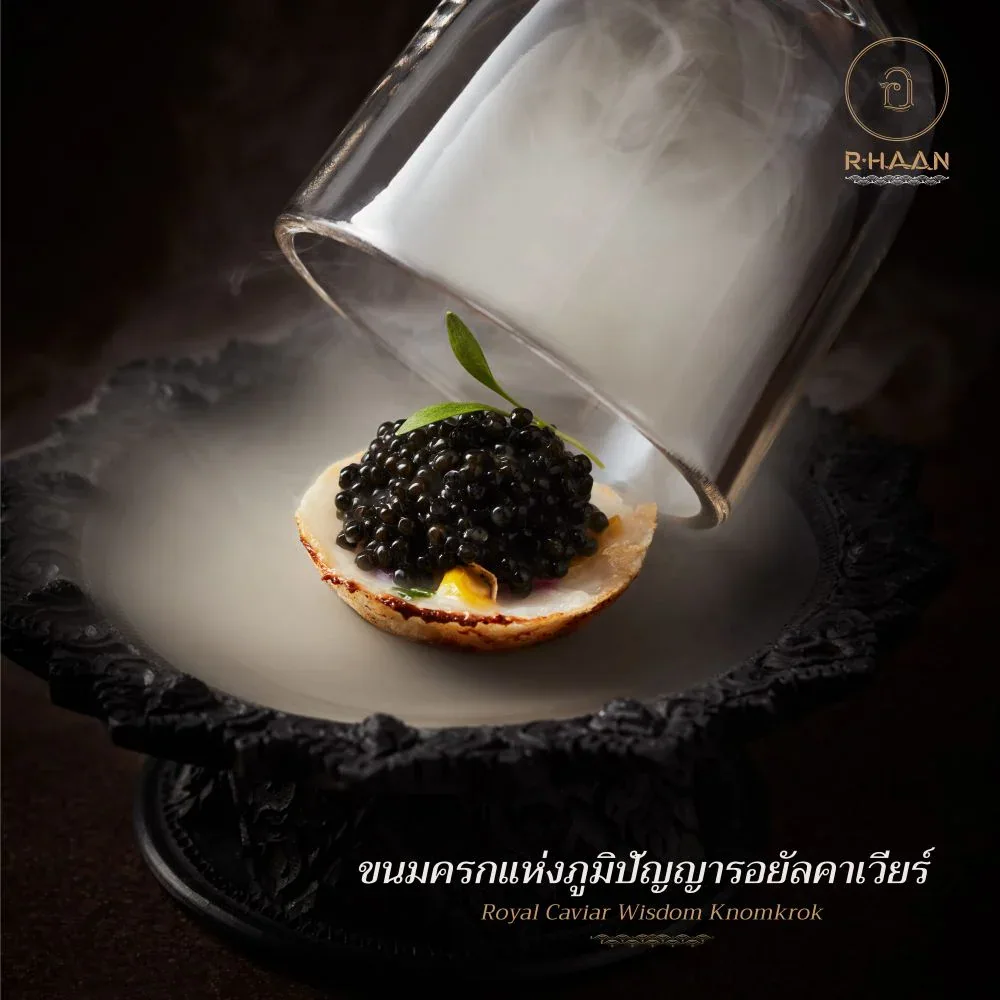
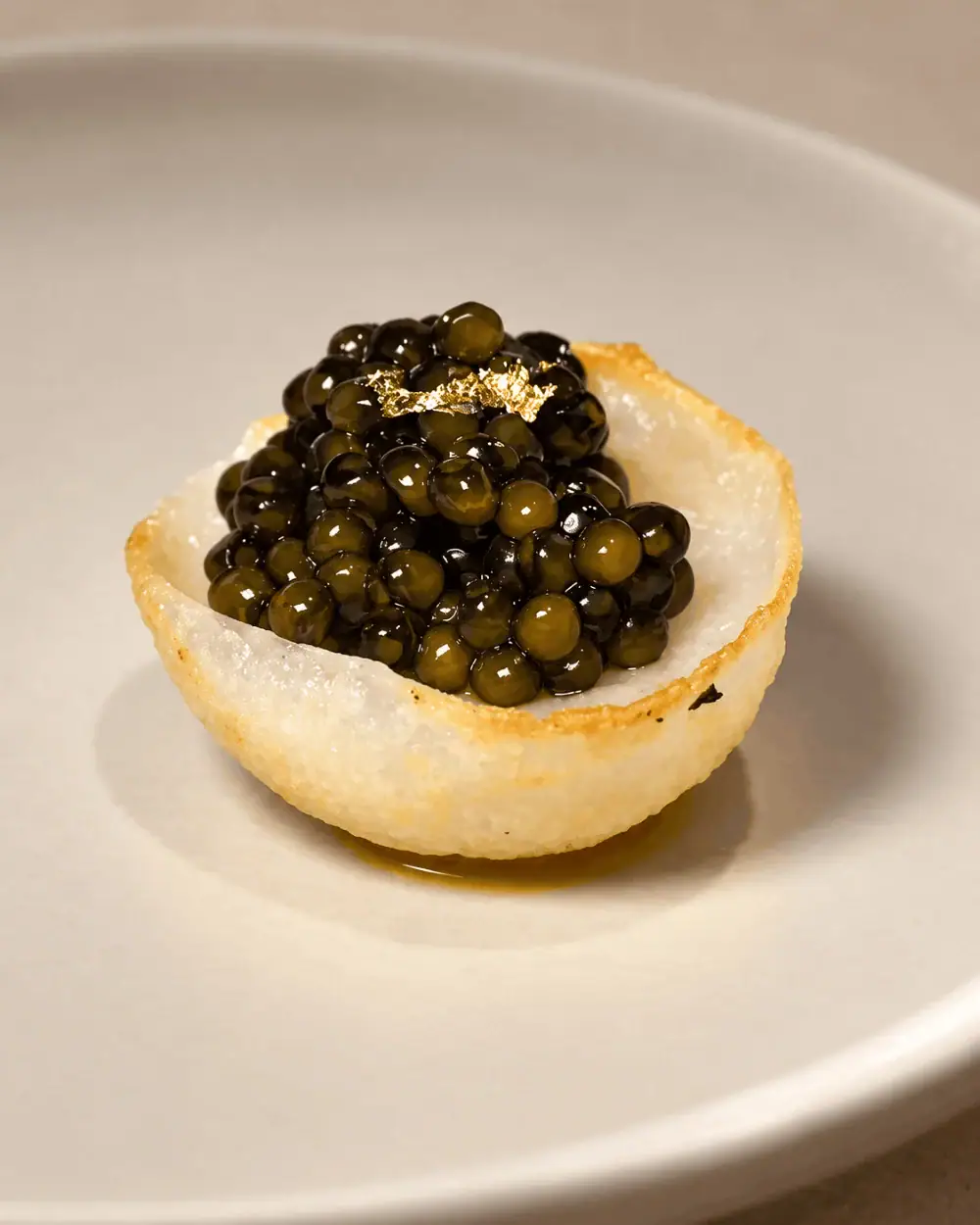
The true charm of khanom krok lies not only in the crunch of its edges or the richness of its coconut cream but also in how it reflects Thai culinary wisdom: the ability to turn simple ingredients into refined flavors and textures. This mirrors the philosophy of royal Thai cuisine, where every element, from raw ingredients and cooking techniques to final presentation, requires deep understanding and meticulous care.
If you want to experience another side of Thai gastronomy through a Bangkok fine dining course, R-HAAN is ready to showcase the authentic identity of Thai cuisine. Our menus offer contemporary interpretations while deeply respecting the roots, wisdom, and distinct flavors of each region. In the refined setting of R-HAAN, one of the top Bangkok Michelin restaurants and a holder of two Michelin Stars, your meal will be an unforgettable journey.
Contact us to reserve your table at R-HAAN today and immerse yourself in a story of Thai cuisine told through sight, taste, and smell, a poetic symphony of flavors that slowly reveals the exquisite artistry of Thai dining.
References:
- ขนมครก. Retrieved October 26, 2026, from https://arit.kpru.ac.th/ap2/local/index.php.
- ขนมครกแบบดั้งเดิมสูตรโบราณ. Retrieved October 26, 2026, from https://www.culture.go.th/culture_th/ewt_dl_link.php.
Frequently Asked Questions About Khanom Krok (FAQs)
Q: What is khanom krok and what is it made of?
A: Khanom krok is a traditional Thai sweet and savory street food, often called Thai coconut pancakes. The batter is made primarily from rice flour, cooked jasmine rice, coconut milk, water, sugar, and salt, and it is topped with a rich coconut cream mixture. Common garnishes include sliced spring onions, sweet corn, diced taro, and steamed pumpkin.
Q: Why is khanom krok cooked in a cast-iron dimpled pan?
A: A traditional cast-iron pan distributes heat evenly across its half-moon indentations. This is what creates the signature crispy edge while keeping the coconut milk center warm, soft, and gooey.
Q : What is the difference between Royal Khanom Krok and the regular street version?
A : Royal khanom krok emphasizes extreme precision in size, shape, plating, and a perfectly rounded flavor profile. It often utilizes more refined ingredients and delicate toppings compared to standard street versions, though recipes can vary by region.
Q: Which traditional Thai desserts should first-time visitors try?
A: First-time visitors should definitely try khanom krok (Thai coconut pancakes) for a perfect blend of sweet and savory. Mango sticky rice (Khao Niao Mamuang) and ruby water chestnuts in coconut milk (Thapthim Krop) are also fantastic, refreshing introductions to Thailand’s dessert culture.
Q : Why are my Thai coconut pancakes not crispy?
A: This usually happens if the pan was not hot enough before the batter was poured, if the heat was too low from the start, or if there is too much moisture in your batter mixture. Additionally, using too much oil can result in greasy edges rather than the desired crispiness.
Q: Why does the batter stick to the pan and become hard to remove?
A: This typically occurs if the pan is unevenly heated, the surface is too dry (insufficiently oiled), or if you try to remove the dessert before the base has fully cooked and set. Always wait until the edges pull away slightly and turn golden-yellow before lifting them out.
Q : Can I prepare the khanom krok batter in advance?
A: Yes, you can prepare it a short time in advance, but it must be kept in a tightly sealed container in the refrigerator. Before using it, make sure to stir the mixture vigorously, as the rice flour tends to settle at the bottom while resting.
Q : How long can finished khanom krok be stored?
A: Khanom krok is best enjoyed fresh off the stove. If left sitting for too long, the moisture from the coconut cream topping will gradually soften the crispy edges. If you must store them, keep them in a sealed container and reheat them before eating, though they will not regain the exact crispness they had when freshly made.